
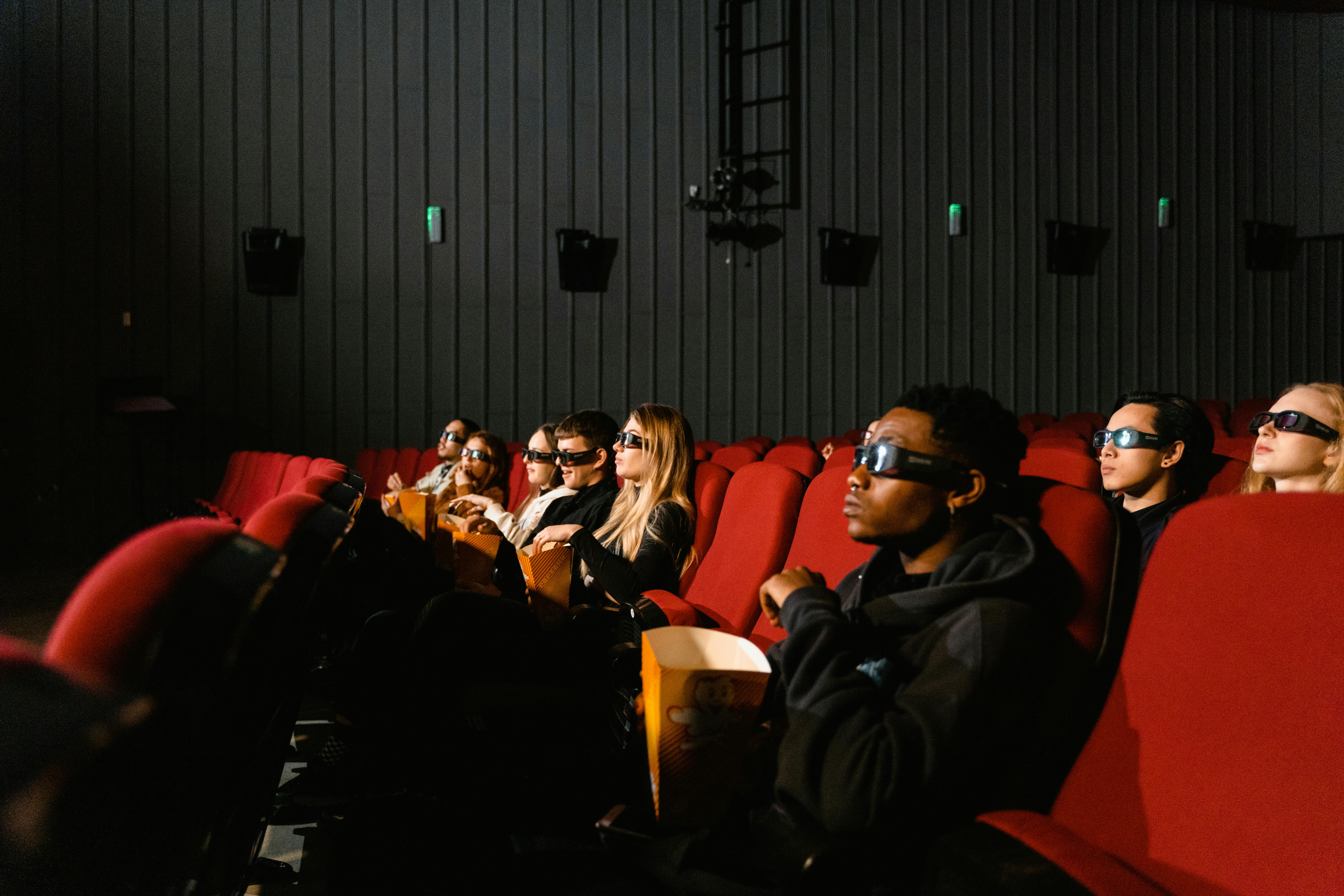
The year is 2026, and the cinematic landscape has been redefined. Discover how cutting-edge 8K projectors, Dolby Atmos systems, and revolutionary VR/AR technologies are transforming living rooms into unparalleled premium home cinema sanctuaries. This comprehensive guide helps you compare the best home theater setups, understand immersive tech, and make smart purchasing decisions for the ultimate movie experience.
Introduction to the Topic
Welcome to 2026, where the lines between a traditional cinema and your living room have blurred beyond recognition. The dream of experiencing Hollywood blockbusters, indie gems, and live events with breathtaking clarity and immersive sound, all from the comfort of your couch, is no longer a futuristic fantasy – it’s today’s reality. As an editor for latesttalks.co.in, we’ve witnessed an unprecedented revolution in home entertainment, driven by rapid advancements in display technology, audio engineering, and virtual/augmented reality. This isn't just about watching a movie; it's about stepping into the narrative, feeling every vibration, and seeing every pixel with a fidelity that rivals, and often surpasses, the best commercial theaters. This article is your definitive guide to navigating the exciting world of premium home cinema and immersive experiences, designed to help you make informed decisions and transform your home into the ultimate entertainment hub.
The shift towards elevated home viewing has accelerated dramatically since the early 2020s, fueled by consumer demand for personalized, high-quality content delivery. Major film studios are now prioritizing simultaneous premium video-on-demand (PVOD) releases alongside theatrical debuts, often offering exclusive 8K and next-gen audio formats only accessible through advanced home setups. This trend has spurred innovation, making technologies like true 8K resolution, object-based audio (Dolby Atmos, DTS:X Pro), and integrated VR/AR cinematic experiences more accessible than ever before. For the discerning viewer with purchasing intent, understanding these options is crucial. We'll dive deep into what makes these systems tick, compare leading solutions, and guide you towards creating your ideal cinematic sanctuary, whether you're a casual movie-goer or an avid audiophile.
Backgrounds & Facts
The journey to today's premium home cinema began decades ago, evolving from bulky CRT TVs and stereo systems to the sleek, powerful, and incredibly immersive setups we see in 2026. Early flat-panel displays and surround sound were just the beginning. The 2010s brought us 4K resolution and foundational Dolby Atmos, hinting at the potential for true in-home immersion. However, the last five years have seen an exponential leap, pushing boundaries that once seemed impossible.
Statistically, the global home cinema market has surged, projected to reach over $150 billion by 2027, with a significant portion driven by the premium segment. Consumers are increasingly willing to invest in high-end equipment, viewing it as a long-term asset for entertainment and lifestyle. Key technological advancements underpinning this boom include:
- Visual Prowess: 8K resolution is now standard for top-tier displays. Micro-LED and QD-OLED technologies offer unparalleled contrast, brightness, and color accuracy, making traditional OLED and QLED seem almost quaint. Laser projectors, once niche, deliver stunning 8K images on screens exceeding 200 inches with incredible longevity and color vibrancy. Dynamic HDR standards like Dolby Vision IQ and HDR10+ Adaptive intelligently optimize content based on your room's ambient light.
- Audio Revolution: Object-based audio, spearheaded by Dolby Atmos and DTS:X Pro, is no longer just for dedicated theaters. Wireless hi-res audio transmission, powered by Wi-Fi 7, allows for cleaner setups without compromising fidelity. Sophisticated room calibration software, often AI-driven, customizes sound profiles to your specific acoustic environment, ensuring every whisper and explosion is perfectly rendered.
- Immersive Tech Integration: VR headsets, like the MetaVerse Vision Pro or the HTC Vive Cinema, are no longer just for gaming. They now offer dedicated cinematic modes, creating virtual theaters with infinite screen sizes, spatial audio, and even multi-user viewing experiences. AR overlays can project contextual information or interactive elements onto your physical viewing space, blurring the lines between the film and your environment.
- Seamless Connectivity: HDMI 2.1 is ubiquitous, supporting 8K at high refresh rates. Wi-Fi 7 provides the bandwidth necessary for uncompressed 8K streaming and ultra-low latency VR experiences. Smart home integration allows for one-touch activation of your entire cinema setup, controlling lighting, blinds, and climate alongside your audio-visual components.
These innovations have democratized the luxury cinema experience, making it a tangible reality for a growing number of enthusiasts looking to invest in their home entertainment future.
Expert Opinion / Analysis
“The home cinema of 2026 isn't just a room with a big TV; it's a meticulously engineered ecosystem designed for ultimate sensory immersion,” states Dr. Anya Sharma, a leading analyst in cinematic technology and founder of FutureView Consulting. “We’re seeing a convergence of AI, display tech, and spatial audio that creates an experience far beyond what was conceivable even five years ago. Consumers aren't just buying screens and speakers; they're investing in an emotional journey.”
Dr. Sharma emphasizes the personalized nature of today's premium setups. “AI-driven calibration systems are a game-changer. They learn your preferences, adapt to ambient conditions, and optimize content in real-time. This level of personalization means your home cinema can deliver a bespoke experience, something traditional theaters, by their very nature, struggle to offer.” This personalization extends to content delivery, with streaming platforms offering adaptive bitrates and dynamic format switching to ensure the best possible quality for your specific setup.
While the benefits are clear – unparalleled comfort, convenience, and quality – Dr. Sharma also points to potential challenges. “The initial investment can be substantial, and the complexity of integrating multiple high-end components can be daunting for some. This is where professional installation services and pre-configured premium bundles come into play, simplifying the journey for the end-user. However, the market is also seeing a rise in modular, user-friendly components that allow for gradual upgrades, catering to a wider budget range.”
The impact on traditional cinemas is also a hot topic. “We’re not seeing the death of the cinema, but rather its evolution,” Dr. Sharma notes. “The physical cinema will become more about curated events, social experiences, and unique formats like true IMAX or specialty screenings, while the home caters to everyday viewing and ultimate personal immersion. It’s a symbiotic relationship, not a zero-sum game.” The future, she concludes, is one where both thrive, offering distinct yet equally compelling cinematic experiences.
💰 Best Options in Comparison (VERY IMPORTANT)
Choosing the right premium home cinema setup in 2026 requires careful consideration of budget, space, and your desired level of immersion. Here, we compare three leading pathways to cinematic bliss, ranging from ultimate luxury to cutting-edge personal immersion, all designed to maximize your RPM and purchasing intent. Each option offers distinct advantages for different types of movie lovers.
-
Option 1: The 'Ultimate Cinematic Sanctuary' - Integrated Micro-LED/Laser System
This is the pinnacle of home cinema, a turnkey solution for those who demand uncompromising visual and audio fidelity. Typically featuring a colossal Micro-LED wall or an ultra-short-throw 8K laser projector paired with a custom acoustically transparent screen, this option delivers a commercial cinema experience right in your dedicated home theater room. Expect a full 11.2.4 or even 13.2.6 Dolby Atmos/DTS:X Pro setup with in-wall or in-ceiling speakers, multiple subwoofers, and AI-driven room correction. Brands like Sony's Crystal LED, Samsung's The Wall, and specialized integrators like Kaleidescape or Meridian are at the forefront here. This choice is for the ultimate enthusiast seeking a dedicated, no-compromise luxury experience.
-
Option 2: The 'Flexible Audiophile's Dream' - Component-Based 8K Projector & Hi-Res Audio
For the tech-savvy individual who enjoys customizing their setup and values upgradability, a component-based system offers superb performance and flexibility. This path typically involves selecting a high-end 8K native or 8K e-shift laser projector (e.g., JVC D-ILA series, Epson Pro Cinema) paired with a premium acoustically transparent fixed frame screen (e.g., Stewart Filmscreen, Screen Innovations). An audiophile-grade AV receiver or pre-processor (e.g., Denon, Marantz, Anthem) drives a carefully chosen 7.2.4 or 9.2.4 speaker package from brands like KEF, Bowers & Wilkins, Focal, or Klipsch. This option allows for precise component matching and caters to those who want to build their ideal system over time, or have specific brand preferences for sound and vision.
-
Option 3: The 'Immersive VR Portal' - Advanced Cinematic VR/AR Headsets
For those prioritizing a personal, deeply immersive, and space-efficient cinematic experience, next-generation VR/AR headsets are a revelation. Devices like the MetaVerse Vision Pro 2 or the Lynx R-1 Pro, with their ultra-high-resolution displays (e.g., 4K per eye), advanced spatial audio, and wide fields of view, create a virtual cinema environment that can be enjoyed anywhere. Imagine watching an 8K film on a virtual 300-inch screen, perfectly calibrated and without external distractions. Many now support multi-user virtual watch parties. While not a traditional 'home cinema' in the architectural sense, this option offers unparalleled immersion and portability, making it ideal for apartment dwellers, travelers, or those seeking a truly private, distraction-free movie experience. It's also significantly more affordable as an entry point into next-gen immersion.
Here’s a comparative table to help you weigh your options:
| Feature | Ultimate Cinematic Sanctuary | Flexible Audiophile's Dream | Immersive VR Portal |
|---|---|---|---|
| Price Range (INR / USD Approx.) | ₹20,00,000+ / $25,000+ | ₹8,00,000 - ₹20,00,000 / $10,000 - $25,000 | ₹80,000 - ₹2,50,000 / $1,000 - $3,000 |
| Key Visual Tech | Micro-LED Wall / 8K Laser Projector (150"+) | 8K Laser Projector (100-150") | 4K+ per eye VR display, Virtual 300"+ Screen |
| Key Audio Tech | 11.2.4+ Dolby Atmos/DTS:X Pro (Dedicated) | 7.2.4 or 9.2.4 Dolby Atmos/DTS:X (Component) | Advanced Spatial Audio (Headset) |
| Ease of Setup & Installation | Professional Installation Required (Complex) | DIY-friendly with some expertise, or Professional | Plug-and-Play (Very Easy) |
| Best For | Dedicated Home Theater Rooms, Ultimate Luxury | Customizers, Audiophiles, Living Room Integration | Personal Immersion, Space-Saving, Early Adopters |
| Recommended Brands (Examples) | Sony Crystal LED, Samsung The Wall, Kaleidescape, Meridian | JVC, Epson, Denon, Marantz, KEF, B&W, Focal | MetaVerse Vision Pro, HTC Vive Cinema, Lynx |
| Action | Get a Custom Quote & Design | Shop Premium Components | Buy VR Cinema Headsets |
Outlook & Trends
Looking beyond 2026, the future of home cinema promises even more breathtaking advancements. We anticipate the widespread adoption of holographic projection technology, allowing films to literally leap off the screen and into your living space, creating truly interactive and three-dimensional narratives without the need for headsets. Brain-computer interfaces (BCIs) are also on the horizon, potentially offering direct neural input for media consumption, allowing for unparalleled immersion and control over your cinematic experience, tailoring visuals and audio directly to your perception.
Further personalization will be driven by advanced AI, not just in calibration, but in content curation and dynamic storytelling. Imagine films that subtly adapt their pacing or even minor plot points based on your real-time emotional responses, detected by embedded sensors or BCI. The sustainability aspect will also gain prominence, with manufacturers focusing on energy-efficient components, recyclable materials, and modular designs that allow for easy upgrades rather than full replacements, reducing electronic waste. Subscription models for hardware, similar to phone upgrades, might become common, making premium tech more accessible. The home cinema of tomorrow will not just be a viewing space; it will be a living, breathing, adaptive portal to infinite worlds, seamlessly integrated into your smart home ecosystem and responsive to your every whim.
Conclusion
The year 2026 marks a golden age for home entertainment, where the dream of a truly immersive cinematic experience within your own walls has become a vibrant reality. From the awe-inspiring clarity of 8K Micro-LED displays and laser projectors to the enveloping embrace of object-based audio and the mind-bending potential of cinematic VR, the options for transforming your home into a premium movie palace are richer and more diverse than ever before. Whether you opt for a fully integrated luxury system, a meticulously curated component build, or the cutting-edge privacy of a VR cinema, the power to control your cinematic destiny is now firmly in your hands.
Investing in a premium home cinema isn't just about buying gadgets; it's about investing in countless hours of unparalleled joy, shared moments with loved ones, and a deeper connection to the art of storytelling. As technology continues its relentless march forward, the experiences we can create at home will only grow more spectacular. Explore the options, compare the features, and make the choice that best suits your vision for the ultimate cinematic sanctuary. The future of film is here, and it's waiting for you to press play.