
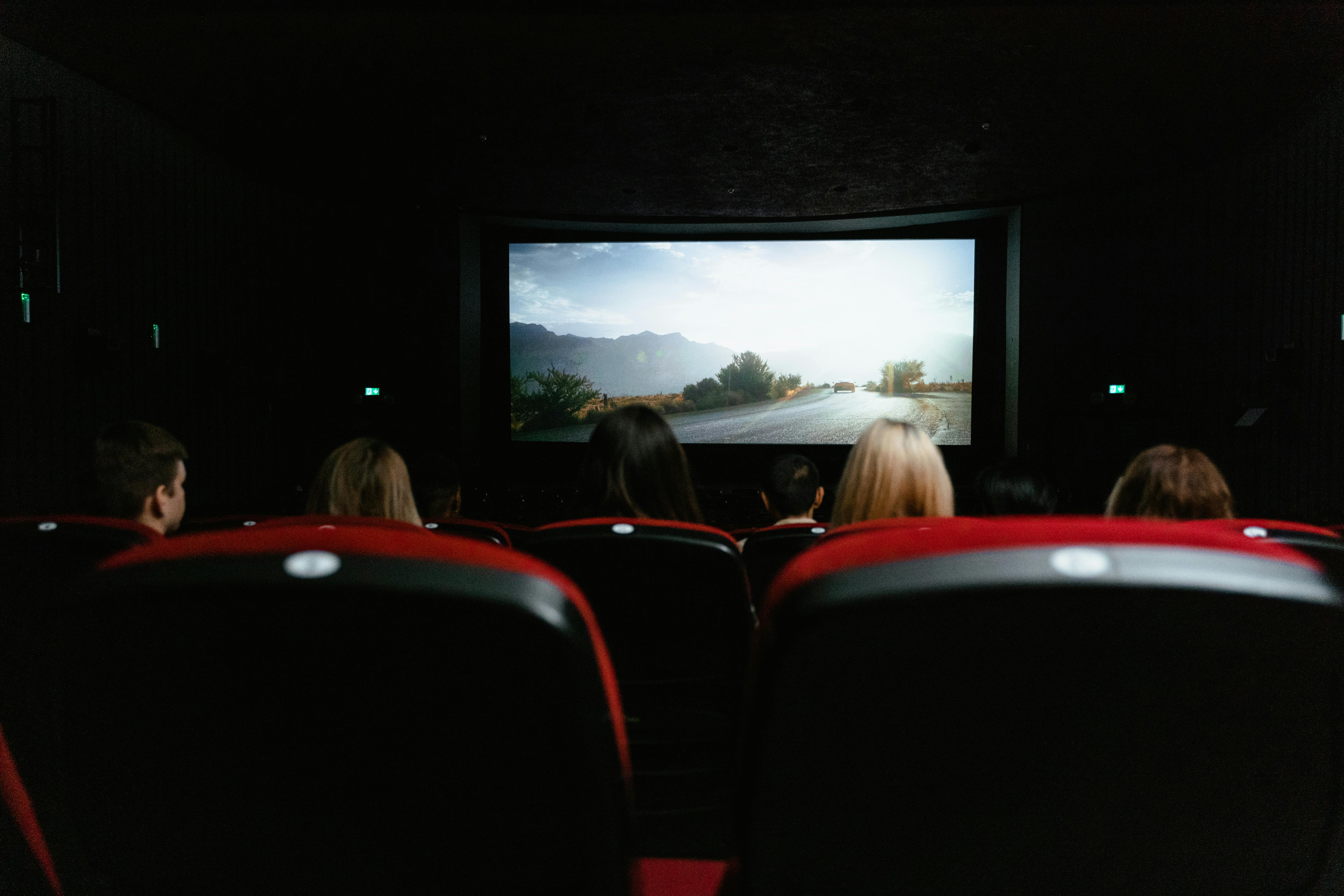
In 2026, the battle for the ultimate home cinema experience rages on, fueled by unprecedented technological advancements and a global shift towards premium at-home entertainment. Discover whether cutting-edge 8K Smart TVs, immersive laser projectors, or revolutionary VR headsets offer the best value, unparalleled picture quality, and thrilling entertainment for your money. Compare top brands, emerging technologies, and find out how to maximize your viewing pleasure and invest wisely in your next-generation home entertainment system.
Introduction to the Topic
Welcome to 2026, where the lines between reality and cinematic immersion are blurrier than ever before. The dream of a truly personalized, high-fidelity home cinema has not just arrived; it has splintered into multiple, incredibly compelling realities. Gone are the days when a simple HDTV sufficed for your movie nights. Today, consumers are faced with a thrilling, yet complex, choice: do you invest in the breathtaking clarity of a colossal 8K Smart TV, the expansive, cinematic grandeur of a laser projector, or the mind-bending immersion of a next-generation VR headset? Each contender promises the 'ultimate' experience, but which truly delivers on that promise for your specific needs and budget? This article from latesttalks.co.in dives deep into the heart of this technological showdown, guiding you through the pros, cons, and money-generating potential of each option, ensuring your investment elevates your home entertainment to unprecedented heights.
Backgrounds & Facts
The landscape of home entertainment has undergone a seismic shift over the past few years, accelerated by innovations and evolving consumer habits. By 2026, 8K resolution has become a significant, though not yet ubiquitous, standard for premium televisions, with panels offering incredible pixel density and AI-powered upscaling making even 4K content look spectacular. MicroLED technology, once a distant dream, is now making inroads into the consumer market, promising OLED-like blacks with superior brightness and longevity. Concurrently, projector technology has leapfrogged, with ultra-short-throw (UST) laser projectors delivering vibrant, 150-inch-plus images in well-lit rooms, effectively eliminating the need for dedicated dark spaces. Affordable 4K and even nascent 8K laser projectors are now within reach for many enthusiasts.
Meanwhile, Virtual Reality (VR) has shed its niche gaming roots to emerge as a formidable player in cinematic consumption. High-resolution, lightweight, and increasingly comfortable VR headsets in 2026 offer a truly private, distraction-free movie theater experience, complete with virtual environments and spatial audio. Wireless streaming capabilities and robust content ecosystems have transformed VR from a novelty into a serious contender for immersive viewing. The rise of spatial audio standards like Dolby Atmos and DTS:X, coupled with advanced soundbar systems and integrated speaker arrays in TVs, ensures that the auditory experience is as groundbreaking as the visual. Consumers are no longer just watching movies; they are stepping into them, demanding greater immersion, convenience, and superior quality, driving a multi-billion dollar market for home cinema equipment and premium content subscriptions.
Expert Opinion / Analysis
“The 2026 home entertainment market is all about personalized immersion and seamless integration,” states Dr. Anya Sharma, lead tech analyst at Global Insights. “Consumers aren't just buying a screen; they're investing in an entire ecosystem. The challenge for manufacturers is to offer compelling experiences across different form factors that cater to diverse lifestyles and viewing preferences.”
According to market trends, the growth in premium content streaming services (think 'Max Ultra,' 'Netflix Immersive,' 'Prime Cinema') has created a direct demand for hardware that can fully exploit these high-fidelity streams. “We're seeing a significant uptick in purchasing intent for high-end display technologies,” notes Marcus Thorne, CEO of HomeTech Solutions, a leading home cinema installation firm. “People are budgeting for comprehensive setups – not just a TV, but also professional calibration, advanced sound systems, and even smart home integration to create the perfect viewing ambiance. The 'buy once, buy right' mentality is strong, especially for systems expected to last 5-7 years.”
Thorne also highlights the strategic importance of future-proofing. “While 8K content is still evolving, an 8K-capable display with excellent upscaling ensures you're ready for tomorrow's blockbusters. Similarly, a projector with a laser light source offers longevity and consistent brightness, reducing long-term maintenance costs. For VR, look for high-refresh-rate panels and robust processing power to handle future cinematic experiences and social viewing platforms.” The consensus among experts is clear: the best option isn't one-size-fits-all, but rather a strategic alignment of technology with individual user needs and a keen eye on long-term value.
💰 Best Options in Comparison (VERY IMPORTANT)
Choosing your ultimate home cinema setup in 2026 requires careful consideration of budget, space, and desired immersion level. Here’s a breakdown of the top contenders:
8K Smart TVs (e.g., Samsung Neo QLED 8K, LG G-Series OLED 8K, Sony Bravia XR Master Series 8K)
- Pros: Unrivaled contrast and perfect blacks (OLED), incredible brightness and color volume (QLED/MicroLED), superior clarity with native 8K content, excellent AI upscaling for lower resolutions, integrated smart platforms with vast app libraries, often includes advanced built-in sound. Ideal for well-lit rooms, gaming (low input lag, high refresh rates), and everyday viewing. MicroLED offers modularity and extreme longevity.
- Cons: Screen size limitations (typically up to 98 inches for consumer models), higher price per inch compared to projectors at very large sizes, OLED burn-in remains a minor concern for some, though significantly mitigated.
- Purchasing Intent: Users seeking the absolute best picture quality, vibrant colors, and deep blacks for all content types. Ideal for living rooms, gaming setups, and those who value convenience and integrated features. Look for bundles that include premium soundbars or installation services.
Laser Projectors (e.g., Epson EpiqVision Ultra LS-series, LG CineBeam AU-series, Sony VPL-XW Series)
- Pros: Massive screen sizes (100-300+ inches) for true cinematic immersion, incredible brightness and color accuracy from laser light sources, long lifespan (20,000+ hours), ultra-short-throw models eliminate complex installations and projector shadows, often more affordable per inch than large TVs.
- Cons: Requires a dedicated screen for optimal performance (adds cost), can be sensitive to ambient light (though UST models are much improved), typically less 'pop' and black level compared to high-end OLEDs, some installation complexity (UST placement, wiring).
- Purchasing Intent: Ideal for dedicated home theaters or large living spaces where maximum screen size is paramount. Gamers seeking an enormous display will find high-refresh-rate models appealing. Look for packages including projection screens, professional calibration, and installation services.
VR Headsets for Cinematic Viewing (e.g., Apple Vision Pro 2, Meta Quest Pro 2, PICO Neo 4 Pro)
- Pros: Unparalleled personal immersion and privacy, ability to create virtual cinema environments (e.g., IMAX theater, private screening room), highly portable, often includes spatial audio, access to exclusive VR cinematic experiences and social viewing platforms, excellent for travel.
- Cons: Can cause discomfort or motion sickness for some users, limited to single-viewer experience (though social VR viewing is evolving), lower resolution and field-of-view compared to physical displays, battery life limitations, can feel isolating.
- Purchasing Intent: Best for tech enthusiasts, frequent travelers, or those seeking a truly unique, private, and immersive cinematic experience. Excellent for early adopters interested in the future of interactive storytelling. Consider bundles with extended warranties and content subscriptions.
Here’s a clear comparison to help you make an informed decision:
| Feature | 8K Smart TVs | Laser Projectors | VR Headsets |
|---|---|---|---|
| Max Screen Size | Up to 98 inches (consumer) | 100-300+ inches | Virtual screen size (unlimited) |
| Picture Quality | Exceptional (contrast, brightness, color) | Excellent (large scale, vibrant colors) | Good (immersive, but lower native resolution) |
| Immersion Factor | High (large, detailed image) | Very High (theater-like scale) | Ultimate (private, virtual environments) |
| Setup Complexity | Low to Medium (wall mounting, cabling) | Medium to High (screen, placement, cabling) | Low (charge and wear) |
| Average Price Range (2026) | ₹2,00,000 - ₹10,00,000+ | ₹1,50,000 - ₹7,00,000+ | ₹75,000 - ₹3,00,000+ |
| Best Use Case | General viewing, gaming, bright rooms | Dedicated home theater, large-scale events | Personal cinema, unique experiences, travel |
| Content Ecosystem | Vast (streaming apps, broadcast) | Vast (external sources, streaming) | Growing (VR apps, dedicated platforms) |
| Future-Proofing | Excellent (8K, MicroLED potential) | Very Good (laser longevity, 8K ready) | Good (rapid innovation, software updates) |
Outlook & Trends
Looking ahead, the home entertainment sphere in 2026 and beyond promises even more mind-bending innovations. We anticipate the further democratization of MicroLED technology, bringing its unparalleled performance to more accessible price points and larger modular configurations. Holographic projection, while still nascent, is slowly moving from research labs to concept demonstrations, hinting at a future where 3D images float freely in your living room without glasses. Augmented Reality (AR) glasses are also poised to merge the digital and physical worlds, potentially allowing for interactive cinematic experiences overlaid onto your real environment.
AI will continue to play a pivotal role, not just in upscaling content but in personalizing viewing experiences, curating content based on mood, and even generating interactive storylines. Subscription models will evolve, offering hyper-personalized bundles that combine streaming services, cloud gaming, and even virtual concert access. Professional installation and calibration services will become increasingly vital as home cinema systems grow in complexity, offering peace of mind and optimizing performance. Expect to see more 'cinema-as-a-service' offerings, where you can rent premium equipment for special events, making high-end experiences more accessible. The convergence of gaming, social interaction, and cinematic storytelling will also blur traditional boundaries, creating entirely new forms of immersive entertainment.
Conclusion
In 2026, the quest for the ultimate home cinema experience is more exciting and diverse than ever. Whether you choose the razor-sharp clarity and convenience of an 8K Smart TV, the breathtaking scale of a laser projector, or the intimate, futuristic immersion of a VR headset, you are investing in a future where entertainment transcends mere viewing. For the discerning cinephile who demands the best picture quality and versatility in a bright living space, a top-tier 8K Smart TV is an unbeatable choice. If grand, theater-like scale and a dedicated viewing environment are your priorities, a cutting-edge laser projector will transform your home. And for those craving unparalleled privacy, unique virtual worlds, and a peek into the future of personal entertainment, a high-fidelity VR headset offers an experience unlike any other.
The best option isn't just about technology; it's about matching the tech to your lifestyle, your space, and your desire for immersion. Don't just watch movies; live them. Explore the latest models, compare prices, and consider professional installation services to unlock the full potential of your investment. Visit our recommended retailers and book a consultation today to embark on your ultimate 2026 home entertainment journey – your future self will thank you for it!