
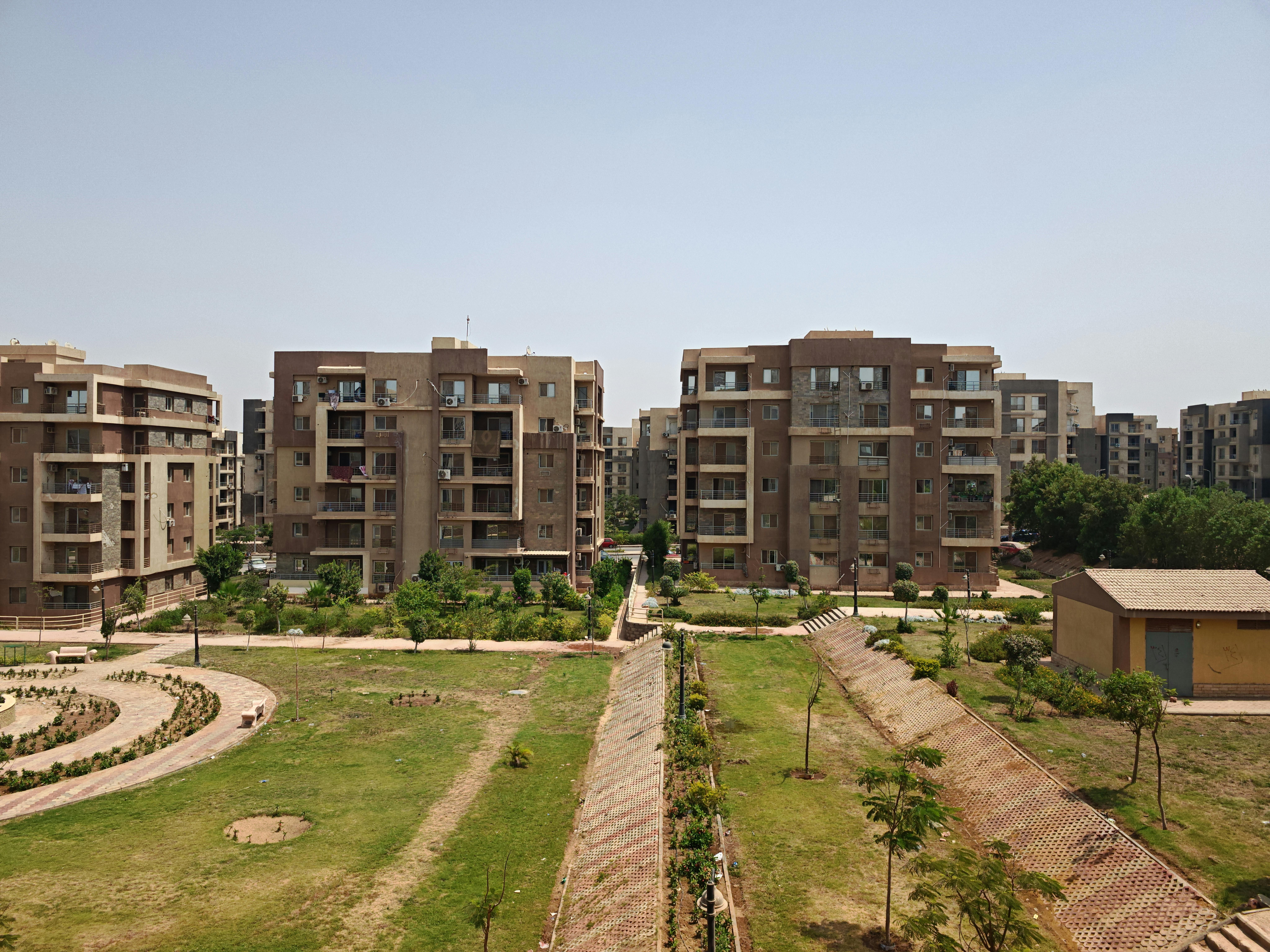
Future-proof your property and wallet! Discover how sustainable smart homes are revolutionizing Indian real estate in 2026, offering massive energy savings, increased property value, and unparalleled comfort. Explore the best automation systems, green building materials, and energy solutions to invest in now.
Introduction to the Topic
Welcome to 2026, where the future of living isn't just arriving – it's already here, transforming our homes into intelligent, eco-conscious sanctuaries. The convergence of advanced smart home technology and sustainable building practices has created a new paradigm in Indian real estate: the 'Sustainable Smart Home.' No longer a niche luxury, these properties are rapidly becoming the benchmark for modern living, driven by a savvy generation of homeowners and investors seeking long-term value, reduced operational costs, and a smaller environmental footprint. At latesttalks.co.in, we've tracked this trend from its nascent stages, and we can confidently declare that 2026 is the year sustainable smart homes transition from an emerging trend to an essential investment. This comprehensive guide will delve into why these homes are not just good for the planet, but exceptionally good for your bank account, highlighting how you can capitalize on this lucrative wave.
Backgrounds & Facts
The landscape of Indian real estate has dramatically shifted, influenced by global environmental concerns, rapid technological advancements, and evolving consumer demands. By 2026, the Indian smart home market is projected to exceed $10 billion, growing at a CAGR of over 20%. This explosive growth is fueled by several key factors:
- Rising Energy Costs: With conventional energy prices steadily increasing, homeowners are actively seeking solutions that promise significant reductions in electricity bills. Sustainable smart homes, equipped with energy-efficient appliances, smart lighting, and integrated solar solutions, offer precisely that.
- Government Impetus: The Indian government's 'Smart Cities Mission' and various green building initiatives, coupled with subsidies for solar panel installations and electric vehicle (EV) charging infrastructure, have created a fertile ground for sustainable development. Policies promoting Net-Zero Energy Buildings are gaining traction, making such properties highly desirable.
- Technological Maturity: The widespread availability and affordability of IoT devices, AI-powered automation, and robust connectivity (5G is now ubiquitous) have made integrating smart features seamless and reliable. From voice-controlled assistants managing your entire home to predictive analytics optimizing energy usage, the technology is mature and user-friendly.
- Increased Environmental Awareness: Indian consumers are more environmentally conscious than ever before. There's a growing desire to contribute to a sustainable future, and owning an eco-friendly home aligns perfectly with these values.
- Property Value Appreciation: Studies consistently show that green-certified buildings and smart homes command higher resale values and faster sales cycles compared to their traditional counterparts. They are seen as future-proof assets.
These facts underscore a clear message: sustainable smart homes are not a passing fad but a foundational shift in how we conceive, build, and inhabit our living spaces.
Expert Opinion / Analysis
“The trajectory of real estate in India for the next decade is inextricably linked to sustainability and smart technology,” states Dr. Ananya Sharma, a leading Real Estate Economist and futurist at the Indian Institute of Property Studies. “We're observing a dual demand: on one hand, homeowners are prioritizing energy efficiency and wellness features; on the other, investors are recognizing the superior ROI and market resilience of properties that integrate these elements.”
Dr. Sharma elaborates, “The initial investment for a sustainable smart home can be 5-10% higher than a conventional build, but the payback period, thanks to reduced utility bills and government incentives, has shrunk dramatically. We're looking at an average of 3-5 years for significant returns, followed by continuous savings. Beyond the quantifiable financial benefits, there's the intangible value of improved indoor air quality, enhanced security, and the sheer convenience that smart automation brings. Property developers who are not incorporating these features are already falling behind.”
However, challenges remain. “Data privacy and cybersecurity are paramount,” cautions Rajesh Kumar, CEO of SmartLiving Tech Solutions. “As more devices connect, the attack surface expands. Homeowners must prioritize systems with robust encryption and reputable security protocols. Additionally, ensuring interoperability between different smart home ecosystems is crucial for a truly seamless experience. This is where professional consultation and integrated solutions providers become invaluable.”
The consensus among experts is clear: while the initial choices can be complex, the long-term benefits – financial, environmental, and lifestyle – overwhelmingly favor the sustainable smart home model. It's an investment in a better quality of life and a smarter financial future.
💰 Best Options in Comparison (VERY IMPORTANT)
Navigating the burgeoning market of sustainable smart home solutions can be daunting. To help you make informed decisions, whether you're building new or upgrading an existing property, we’ve broken down the best options across key categories. These solutions not only enhance your home's intelligence but also significantly boost its energy efficiency and long-term value. We've focused on options available and thriving in the Indian market in 2026.
-
Integrated Smart Home Automation Systems: These are comprehensive platforms that manage lighting, climate, security, entertainment, and energy from a central hub. Ideal for new constructions or major renovations.
- Option A: Premium Integrated Systems (e.g., Control4, Savant, Schneider Electric Wiser): Offer unparalleled customization, professional installation, and robust security. Best for high-end homes and those desiring a truly bespoke experience.
- Option B: Mid-Range Ecosystems (e.g., Legrand Myrius, HomeMate, Amazon Alexa/Google Home with integrated devices): More accessible, often modular, allowing for phased upgrades. Good for homeowners seeking significant automation without the top-tier price tag.
-
Sustainable Energy Solutions: Essential for reducing utility bills and your carbon footprint.
- Option A: Rooftop Solar PV Systems (Grid-tied/Hybrid): Companies like Tata Power Solar, Adani Solar, and local providers offer tailored solutions with battery storage options for energy independence.
- Option B: Smart Energy Management Systems: Devices that monitor and optimize energy consumption across appliances, often integrating with existing smart home platforms to suggest efficiency improvements.
-
Green Building Materials & Insulation: The foundation of an eco-friendly home.
- Option A: Eco-friendly Construction Materials: Recycled steel, sustainable timber, low-VOC paints, fly ash bricks, bamboo flooring, and cool roofs. Suppliers like JSW Steel, Saint-Gobain, and various local sustainable material vendors.
- Option B: High-Performance Insulation & Fenestration: Double-glazed windows, aerated concrete blocks, rock wool insulation to minimize heat gain/loss, dramatically reducing HVAC loads.
Here’s a comparative table to help you assess your choices:
| Feature/Category | Integrated Smart Automation | DIY Smart Ecosystems | Rooftop Solar PV Systems | Green Building Materials |
|---|---|---|---|---|
| Key Offerings | Centralized control (lighting, climate, security, entertainment). | Modular device integration, voice control (Alexa, Google Home). | Electricity generation, grid-tied/off-grid options, battery storage. | Eco-friendly construction, superior insulation, low VOCs. |
| Target User | New builds, luxury homes, full renovation projects. | Existing homes, budget-conscious users, tech enthusiasts. | All homeowners seeking energy independence & savings. | New builds, major renovations, sustainability-focused projects. |
| Est. Cost (INR, 2026) | ₹3 Lacs - ₹20 Lacs+ (project dependent) | ₹50,000 - ₹5 Lacs (device dependent) | ₹1 Lac - ₹5 Lacs+ (kW dependent, subsidies apply) | 5-15% premium on overall construction cost |
| Pros | Seamless integration, high security, professional support, full customization. | Affordable, flexible, easy to install, wide device compatibility. | Significant bill reduction, environmental benefits, property value increase, subsidies. | Superior thermal comfort, lower maintenance, healthier indoor air, higher resale value. |
| Cons | Higher initial investment, complex installation, vendor lock-in potential. | Limited deep integration, potential security vulnerabilities if not managed well, DIY effort. | Roof space requirement, initial investment, weather dependency, grid connection complexities. | Higher upfront material cost, specialized labor may be required. |
| Action | Book Consultation | Shop Smart Devices | Get Solar Quote | Find Green Builders |
To maximize your investment and ensure compatibility, consider engaging with a certified smart home consultant who can assess your needs and recommend tailored solutions. Many providers offer free initial assessments – a valuable first step in your sustainable smart home journey.
Outlook & Trends
The evolution of sustainable smart homes is far from over. By 2030, we anticipate even more sophisticated integrations:
- AI-Powered Predictive Maintenance: Homes will not only monitor appliance health but predict failures before they occur, scheduling maintenance proactively.
- Hyper-Personalized Environments: AI will learn occupant preferences to adjust lighting, temperature, music, and even scent profiles automatically, creating truly personalized living spaces.
- Community-Level Microgrids: Neighborhoods will share renewable energy resources, optimizing distribution and storage, further reducing reliance on traditional grids.
- Health & Wellness Integration: Advanced sensors will continuously monitor indoor air quality, water purity, sleep patterns, and even stress levels, offering proactive recommendations for occupant well-being.
- Modular & Prefabricated Green Homes: The rise of factory-built, highly efficient, and customizable sustainable smart homes will accelerate construction timelines and reduce costs.
- Enhanced Cybersecurity & Data Governance: As homes become more connected, robust, and transparent data privacy frameworks will become standard, with blockchain technology potentially securing home data.
These trends point towards a future where homes are not just structures but active partners in our health, wealth, and environmental stewardship.
Conclusion
The sustainable smart home isn't just a trend; it's the inevitable future of real estate in India. By 2026, the confluence of technological innovation, environmental imperatives, and economic incentives has made investing in these properties a financially astute and socially responsible choice. Whether you're a first-time buyer, a seasoned investor, or looking to upgrade your current residence, embracing sustainable smart living offers unparalleled benefits – from significant energy savings and enhanced comfort to substantial property value appreciation. Don't just buy a house; invest in a smarter, greener, and more prosperous future. Explore the options, consult the experts, and make your move towards a home that truly pays you back. Visit latesttalks.co.in today for exclusive deals and expert consultations to kickstart your journey!