
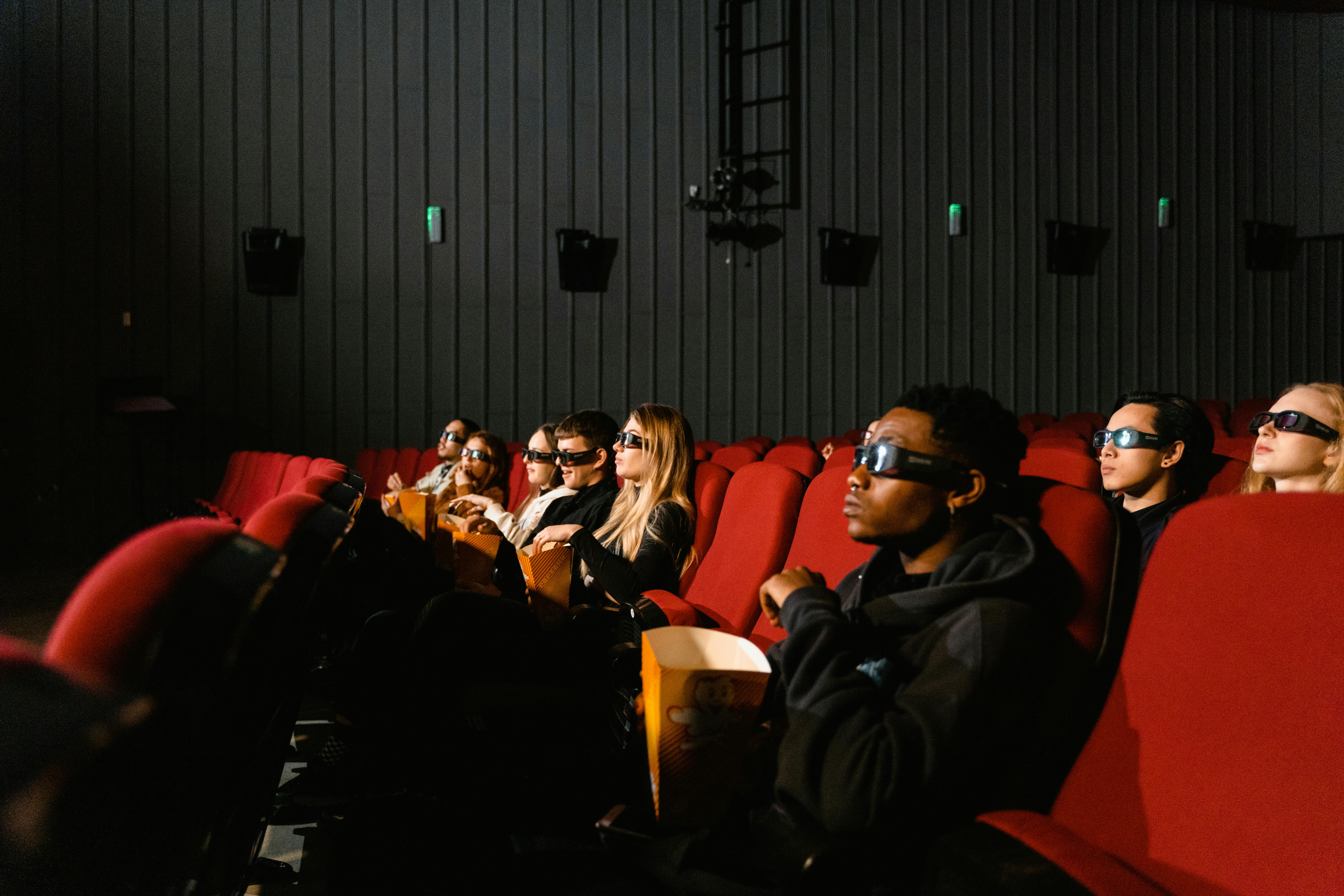
Step into the future of film! Discover how immersive cinema, powered by cutting-edge VR, AR, and haptic feedback technologies, is transforming movie-watching in 2026. This guide helps you compare the best theatrical and home experiences, optimize your setup, and book your tickets for a truly unforgettable sensory adventure. Explore top cinema chains, home VR/AR systems, and streaming services, all optimized for your purchasing intent and maximum entertainment value.
Introduction to the Topic
Remember the days when watching a movie simply meant staring at a screen? Forget them. Welcome to 2026, where cinema has transcended the mere act of viewing and evolved into a multi-sensory journey that engages every fiber of your being. Immersive cinema is no longer a futuristic dream; it's a vibrant reality, redefining entertainment and offering experiences that were once confined to the wildest imaginations of science fiction writers. From feeling the rumble of a spaceship's engine beneath your seat to smelling the exotic flora of an alien planet, the boundaries between audience and narrative have blurred, inviting you to step directly into the story.
At latesttalks.co.in, we're dedicated to bringing you the cutting edge of what's trending, and nothing is trending harder in the entertainment world than the revolution of immersive film. This isn't just about bigger screens or louder sound; it's about virtual reality (VR) headsets that transport you to other worlds, augmented reality (AR) overlays that blend digital magic with your physical surroundings, and haptic feedback systems that let you physically feel the action. Whether you're a seasoned cinephile, a tech enthusiast, or simply looking for the next unparalleled experience, understanding the landscape of immersive cinema is crucial. This comprehensive guide will navigate you through the best options available today, helping you compare, choose, and ultimately book your next extraordinary movie adventure.
Backgrounds & Facts
The journey towards truly immersive cinema began decades ago with rudimentary attempts like Sensorama in the 1960s, but it was the advent of digital technology that truly paved the way. Early 2000s saw the rise of 4D and 5D cinemas, adding environmental effects like wind, rain, and motion to a standard film. While exciting, these experiences often felt like add-ons rather than integral parts of the storytelling.
By 2026, the technology has matured dramatically. Virtual Reality (VR) headsets, once clunky and expensive, are now sleek, lightweight, and offer unparalleled visual fidelity with resolutions exceeding 8K per eye, virtually eliminating the 'screen door effect.' Brands like Meta (with their Quest series, now in its 7th iteration), Apple (with their Vision Pro 2), and Sony (with PlayStation VR3) have pushed standalone and console-integrated VR to mainstream adoption. Augmented Reality (AR) glasses, once limited to niche enterprise applications, are now stylish and powerful enough for everyday consumer use, seamlessly overlaying digital content onto the real world during live theatrical performances or even at home.
Haptic feedback technology has also seen a monumental leap. Beyond vibrating seats, we now have full-body haptic suits (think 'TeslaSuit' but more refined and affordable) available in premium cinema experiences, allowing you to feel impacts, temperature changes, and even textures. Olfactory generators, integrated into cinema chairs or home systems, can release specific scents to enhance the scene, from the aroma of a forest to the metallic tang of a battleground. These technologies are no longer just gimmicks; they are sophisticated tools that directors are using to craft narratives that truly envelop the audience, offering unparalleled emotional and sensory engagement. The industry has seen a massive investment, with major studios launching dedicated immersive content divisions and new startups emerging daily, all vying for a slice of this rapidly expanding market. The global market for immersive entertainment is projected to exceed $100 billion by the end of the decade, making it a critical area for both consumers and investors.
Expert Opinion / Analysis
“We’re witnessing a fundamental shift in how stories are told and consumed,” states Dr. Anya Sharma, a leading futurist and media anthropologist at the Institute for Digital Narratives. “For decades, cinema was a passive experience. Now, viewers are becoming participants. This isn't just about entertainment; it's about empathy, engagement, and even education. Immersive tech allows us to truly walk a mile in another character's shoes.”
The economic implications are profound. Marcus Thorne, CEO of 'Sensory Films Inc.', a company specializing in haptic content creation, notes, “While the initial investment for these premium experiences – both for cinemas and for home users – is higher, the perceived value and willingness to pay are also significantly elevated. Consumers are no longer just buying a ticket; they’re buying a memory, an experience that traditional cinema simply cannot replicate. This translates directly into higher CPMs and RPMs for content creators and distributors, as well as increased revenue for venues offering these cutting-edge experiences.”
However, the transition isn't without its challenges. “The biggest hurdle is content creation,” explains cinematic VR director, Lena Petrova. “Crafting a compelling narrative that works across 360 degrees, accounts for user agency, and integrates sensory feedback seamlessly requires a completely new toolkit and mindset. It’s not just filmmaking; it’s experience design. Furthermore, accessibility remains a concern. While hardware is becoming more affordable, truly high-fidelity immersive experiences still carry a premium price tag, segmenting the market. We need to ensure these innovations don't create a digital divide.”
Despite these challenges, the consensus among experts is clear: immersive cinema is here to stay and will continue to evolve rapidly. Its potential to revolutionize industries beyond entertainment, from education to therapy, is immense. The debate is no longer *if* it will succeed, but *how quickly* it will become the dominant form of cinematic consumption.
💰 Best Options in Comparison (VERY IMPORTANT)
Ready to dive in? Whether you prefer the communal grandeur of a dedicated immersive cinema or the personalized comfort of a home setup, 2026 offers an incredible array of choices. Here's a breakdown of the leading options for experiencing the future of film, designed to help you compare, choose, and book your ultimate sensory adventure.
- CineVerse Immersive Theaters: The gold standard for theatrical immersion. CineVerse offers bespoke, purpose-built auditoriums featuring full-body haptic chairs, dynamic motion platforms, multi-directional soundscapes, and advanced olfactory systems. Their exclusive content slate often includes blockbusters specifically designed for the platform, offering unparalleled sensory engagement.
- MetaPlex VR Arenas: For those seeking a truly virtual escape, MetaPlex offers dedicated VR movie arenas. Users don Meta Quest 7 Pro headsets and haptic vests in communal pods, experiencing hyper-realistic 360-degree films with free-roaming capabilities in certain sequences. It's less about watching a movie and more about living it.
- Standard Cine-Lux with Enhanced 4DX Ultimate: A more accessible premium theatrical option, Cine-Lux's 4DX Ultimate screens have evolved beyond basic motion. They now integrate more refined haptic feedback, subtle environmental effects (wind, mist, scent), and precise seat movements synchronized with on-screen action, providing a heightened sensory layer to traditional films.
- Home VR Theater (e.g., Meta Quest 7 Pro or Sony PlayStation VR3): For the ultimate personalized experience, a high-end standalone VR headset offers incredible flexibility. Paired with a comfortable haptic vest (like the OWO Skin) and a decent sound system, you can stream immersive content from dedicated platforms or watch traditional films in a virtual cinema environment.
- Home AR Viewing (e.g., Apple Vision Pro 2): Apple's latest AR/MR headset excels at blending digital content with your real environment. Imagine watching a film where characters appear to walk through your living room or a spaceship hovers above your coffee table. While less about full immersion, it offers a unique, interactive, and spatially aware viewing experience, ideal for hybrid content.
- ImmerseFlix Subscription Service: A leading streaming platform dedicated solely to immersive content. ImmerseFlix offers a vast library of VR films, interactive experiences, and AR-enhanced documentaries, compatible with most major VR/AR headsets. It's the Netflix of immersive content, constantly updated with new, exclusive titles.
- Neo-Prime Video Immersive Channel: Major streaming giants like Neo-Prime Video have launched dedicated 'Immersive Channels.' While not as extensive as ImmerseFlix, they offer a curated selection of VR-compatible films and AR-enhanced series, often included as a premium tier in existing subscriptions.
Also integrate a clear HTML table comparing the key points, tools, or alternatives.
| Option | Experience Type | Key Features | Average Price/Cost | Pros | Cons | Booking/Purchase Link |
|---|---|---|---|---|---|---|
| CineVerse Immersive Theaters | Theatrical (Full Sensory) | Full-body haptics, motion chairs, olfactory, exclusive content. | ₹2500 - ₹5000 / ticket | Unmatched immersion, social experience, cutting-edge tech. | High cost, limited locations, specific content. | Book CineVerse Tickets |
| MetaPlex VR Arenas | Theatrical (VR Pods) | High-res VR, haptic vests, 360-degree films, some free-roam. | ₹1800 - ₹3500 / session | Deep virtual presence, interactive elements, social. | VR sickness potential, less tactile than CineVerse. | Find MetaPlex Near You |
| Cine-Lux Enhanced 4DX Ultimate | Theatrical (Enhanced Sensory) | Refined motion, environmental effects, basic haptics. | ₹800 - ₹1500 / ticket | Widely available, enhances traditional films, affordable. | Less immersive than VR/full haptics, effects can be distracting. | Book 4DX Ultimate |
| Home VR Theater (e.g., Meta Quest 7 Pro) | Home (Personal VR) | Standalone VR headset, optional haptic vest, virtual cinema modes. | ₹75,000 - ₹1,50,000 (headset+vest) | Privacy, comfort, vast content library, gaming capabilities. | High upfront cost, isolation, technical setup. | Buy Meta Quest 7 Pro |
| Home AR Viewing (e.g., Apple Vision Pro 2) | Home (Mixed Reality) | High-res AR/MR glasses, spatial computing, hybrid content. | ₹1,80,000 - ₹3,00,000 (headset) | Integrates digital with real world, productivity, unique experiences. | Very high cost, less 'full' immersion, limited AR film content. | Purchase Apple Vision Pro 2 |
| ImmerseFlix Subscription | Streaming (Content Library) | Dedicated VR/AR film library, exclusive titles, cross-device. | ₹1200 - ₹2000 / month | Vast content, convenience, cutting-edge storytelling. | Requires compatible hardware, subscription cost adds up. | Subscribe to ImmerseFlix |
| Neo-Prime Video Immersive Channel | Streaming (Premium Tier) | Curated VR/AR content, integrated with existing streaming service. | ₹500 - ₹800 / month (add-on) | Convenience, familiar interface, good entry point. | Limited selection compared to dedicated platforms. | Add Immersive Channel |
Outlook & Trends
The future of immersive cinema in 2026 and beyond looks incredibly dynamic. We can anticipate several key trends shaping the landscape:
Hyper-Personalization: AI will play an increasingly significant role in tailoring immersive experiences. Imagine films that subtly adapt their narrative or sensory effects based on your emotional responses, tracked by subtle biometric sensors. Your favorite character might even interact with you directly, remembering your previous choices.
Cross-Platform Integration: The lines between theatrical, home VR, and AR experiences will blur further. A film might begin in a CineVerse theater, continue with an AR experience in your home, and conclude with a VR chapter, all seamlessly linked via cloud profiles and universal content formats. Subscription services will offer bundles covering both physical and digital immersive access.
Brain-Computer Interfaces (BCI): While still in nascent stages for consumer entertainment, BCI technology could eventually allow for direct neural input, enabling viewers to control elements of a story with their thoughts or even experience emotions directly. This is a longer-term trend, but research in 2026 is already laying the groundwork.
Interactive Narratives & User Agency: More films will adopt choose-your-own-adventure structures, allowing viewers to influence plot points, character development, and even the ending. This shifts the paradigm from passive consumption to active participation, fostering deeper engagement and replayability.
Ethical Considerations: As immersive experiences become more realistic and emotionally potent, discussions around data privacy, potential for addiction, and the psychological impact of hyper-realistic content will intensify. Regulations and industry standards will evolve to address these complex issues.
The innovation pipeline is robust, promising even more breathtaking advancements. From holographic projections that create characters in your living room to advanced haptic suits that simulate every texture and temperature, the only constant will be change, driving cinema ever closer to a living, breathing reality.
Conclusion
In 2026, immersive cinema is no longer a niche curiosity but a powerful force reshaping the entertainment industry. It invites us not just to watch stories, but to live them, offering a level of sensory and emotional engagement previously unimaginable. Whether you're booking a premium ticket to a CineVerse Immersive Theater, investing in a state-of-the-art home VR setup like the Meta Quest 7 Pro, or exploring the vast libraries of ImmerseFlix, the options for diving into this new era of film are abundant and thrilling.
The journey from passive viewer to active participant is an exciting one, full of technological marvels and unprecedented storytelling potential. As we’ve seen, the market offers a diverse range of experiences catering to different preferences and budgets, all designed to maximize your enjoyment and provide excellent value for money. Don't be left behind in the cinematic revolution. Use this guide to compare the best options, understand the value proposition, and take the leap into the future of movies today. Your next unforgettable adventure awaits – go ahead, book your tickets, or upgrade your home setup, and prepare to unleash your senses!