
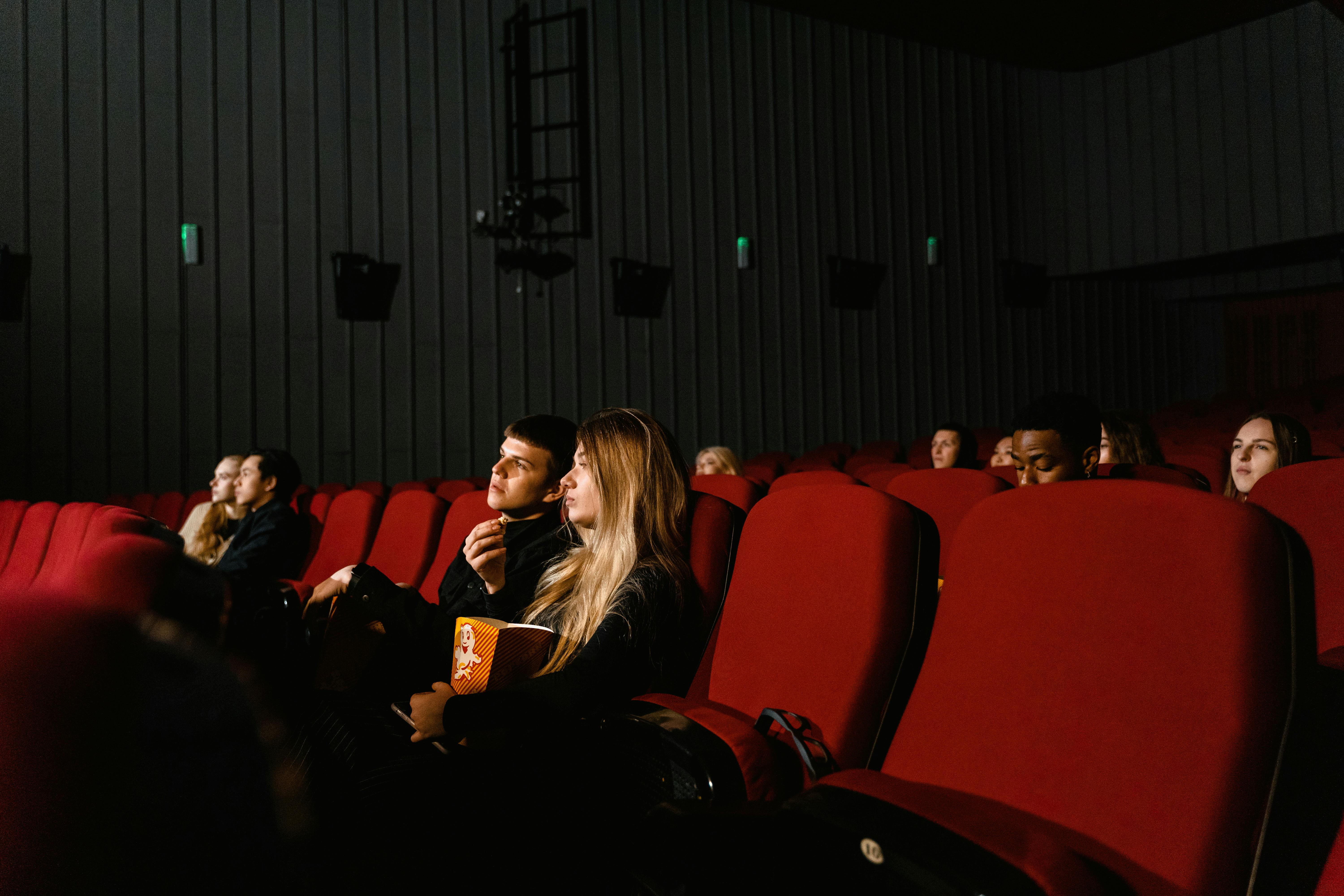
In 2026, the battle for your entertainment dollar intensifies. Is the magic of the silver screen fading, replaced by the immersive comfort of premium home cinema setups and cutting-edge VR experiences? Dive into our ultimate guide comparing traditional movie theaters, state-of-the-art home theaters, and the burgeoning world of cinematic VR. Discover where to invest for the best viewing experience, optimize your entertainment budget, and future-proof your movie nights with top 4K TVs, Dolby Atmos sound systems, and the latest VR headsets.
Introduction to the Topic
Welcome to 2026, where the way we consume movies has never been more diverse, dynamic, or hotly debated. For generations, the cinema stood as the undisputed temple of film – a grand dark room, a colossal screen, and an experience designed to transport us. But the landscape has irrevocably shifted. The past few years have accelerated a trend that began with the advent of DVD and streaming: the decentralization of the movie-watching experience. Today, the choice isn't just 'which movie,' but 'where and how' to watch it, with profound implications for your wallet and your enjoyment.
From the unparalleled scale of IMAX Laser to the hyper-realistic visuals of an 8K OLED TV paired with a thundering Dolby Atmos system, and the mind-bending immersion of next-generation VR headsets like the Apple Vision Pro 2 or Meta Quest 6, consumers are spoilt for choice. This isn't just about convenience; it's about a fundamental re-evaluation of value. Are you paying for an event, an experience, or simply access to content? This article will dissect the current state of cinematic entertainment, weighing the enduring allure of the movie theater against the burgeoning power of premium home cinema and the disruptive potential of virtual reality. We'll help you navigate these options, ensuring your entertainment investment delivers maximum return and unparalleled viewing pleasure.
Backgrounds & Facts
The cinema's journey from nickelodeons to multiplexes has been one of constant evolution, but the 21st century has presented its most formidable challenges. The rise of streaming platforms like Netflix, Disney+, and Max (formerly HBO Max) fundamentally altered content distribution, making new releases accessible from the comfort of your couch, often simultaneously with theatrical debuts or shortly thereafter. This 'day-and-date' release strategy, once a pandemic-era necessity, has become a consumer expectation for many films, eroding the exclusive window that once defined the theatrical experience.
Concurrently, home entertainment technology has achieved astonishing levels of sophistication. A decade ago, a 'home theater' might have meant a large plasma TV and a 5.1 surround sound system. Today, the standard for premium home cinema includes crystal-clear 4K HDR displays (with 8K gaining traction), advanced sound systems offering object-based audio like Dolby Atmos and DTS:X, and ultra-short throw laser projectors capable of filling entire walls with cinema-quality images. High-bandwidth internet connections, coupled with robust streaming hardware, deliver uncompressed audio and video fidelity that rivals, and in some aspects surpasses, many traditional theaters.
Beyond the living room, virtual reality has emerged from niche gaming to a legitimate cinematic contender. Early VR headsets were clunky and limited, but 2026's offerings boast stunning resolution, wider fields of view, and improved comfort, allowing for truly immersive, 360-degree cinematic experiences. Companies are investing heavily in creating bespoke VR content – from interactive narratives to virtual movie palaces where you can 'watch' a film with friends' avatars – pushing the boundaries of what a 'movie night' can be. The lines between passive viewing and active participation are blurring, offering a new frontier for film lovers and content creators alike.
Expert Opinion / Analysis
We reached out to leading industry voices to get their take on this evolving landscape. Dr. Anya Sharma, a futurist specializing in media consumption at the Global Tech Institute, notes, "The theater isn't dead, but its purpose is being redefined. It's shifting from being the sole access point for new films to becoming a premium, event-driven destination. People will still pay for the shared cultural experience, the massive scale, and the communal 'wow' factor that a 70-foot screen and a perfectly calibrated sound system provides. But for everyday viewing, convenience and personalization are king."
On the home front, Marcus Thorne, CEO of 'CinePro Home Solutions,' a top-tier home cinema installation firm, emphasizes the value proposition: "When you invest in a premium home cinema – a state-of-the-art 4K projector, an acoustically treated room, and a Dolby Atmos 9.2.4 system – you're not just buying equipment; you're buying an experience on demand, tailored to your exact preferences. The initial outlay for a top-tier 8K OLED TV and a premium Dolby Atmos soundbar might seem steep, but over years, the cost-per-view becomes incredibly attractive, especially for families who watch movies frequently." He adds, "We're seeing a huge demand for integrated smart home systems that seamlessly blend entertainment, lighting, and climate control, creating an unparalleled private cinematic environment."
However, the VR frontier, while exciting, still faces hurdles. "VR is phenomenal for specific types of content – experimental narratives, immersive documentaries, and virtual concerts," explains Lena Khan, a VR content producer. "For traditional narrative films, the headset comfort, potential for motion sickness, and the inherent isolation still present barriers for mass adoption. But the advancements in resolution and haptics in devices like the upcoming Apple Vision Pro 2 are rapidly closing that gap. We expect more mainstream cinematic content to emerge in VR by late 2026, offering experiences impossible in any other format." The consensus? Each platform offers distinct advantages, catering to different needs and priorities, making your choice a personal one driven by lifestyle, budget, and desired immersion level.
💰 Best Options in Comparison (VERY IMPORTANT)
Deciding where to spend your entertainment budget in 2026 requires understanding the unique value proposition of each option. Here's a breakdown to help you make an informed investment:
- The Premium Theatrical Experience: This option is for those who crave the grand spectacle and the social ritual. Think IMAX Laser, Dolby Cinema, or luxury recliner theaters. You're paying for an event, early access to blockbusters, and an environment optimized for minimal distraction and maximum impact. While ticket prices and concession costs can add up, for certain films, the sheer scale and communal energy are unmatched. Look for premium cinema subscription passes to save on frequent visits.
- The State-of-the-Art Home Cinema: This is an investment in ultimate comfort, control, and long-term value. A truly premium setup involves a high-end 4K or 8K OLED/QLED TV (or a 4K laser projector), a dedicated Dolby Atmos or DTS:X sound system (from AV receivers and discrete speakers to premium soundbars), and comfortable seating. You gain the ability to pause, rewind, choose your snacks, and watch content on your schedule. The initial outlay is significant, but it amortizes over years of free viewing (beyond streaming subscriptions).
- The Immersive VR Cinematic Experience: For the tech-forward viewer seeking unparalleled immersion and novel content. This involves a high-fidelity VR headset (e.g., Meta Quest 6, Apple Vision Pro 2, Pico Neo 5) and access to VR-specific cinematic platforms and content libraries. While still maturing, VR offers unique interactive narratives and the feeling of 'being there,' whether in a virtual theater or within the film's world. It's a growing segment for those who want to experience movies in a fundamentally new way.
To help you compare, here's a detailed table:
| Feature | Traditional Cinema (Premium) | Premium Home Cinema | VR Cinematic Experience |
|---|---|---|---|
| Initial Investment | Low (single ticket cost) | High (TV/Projector, Sound System, Installation) | Moderate to High (VR Headset, Accessories) |
| Ongoing Costs | High (Per-ticket, concessions, travel) | Moderate (Streaming subscriptions, electricity) | Low to Moderate (VR content purchases, subscriptions) |
| Immersion Level | Very High (Large screen, dedicated sound, no distractions) | High (Customizable screen size, reference audio, comfort) | Unparalleled (360-degree, interactive, presence) |
| Comfort & Convenience | Moderate (Fixed seating, travel, schedule) | Very High (Personalized seating, pause, at home) | Moderate (Headset wear, potential for motion sickness) |
| Social Aspect | High (Shared communal experience) | Moderate (Watch with friends/family, but private) | Low to Moderate (Often solitary, virtual social spaces emerging) |
| Content Access | Early access to blockbusters, limited library | Vast streaming libraries, on-demand, digital purchases | Niche VR content, some traditional films in virtual theaters |
| Best For... | Event films, first-run blockbusters, date nights, social outings | Frequent movie watchers, families, custom entertainment, long-term value | Tech enthusiasts, immersive gaming, experimental storytelling, unique experiences |
Outlook & Trends
Looking ahead, 2026 and beyond promise even more blurring of lines and innovative solutions. We anticipate a surge in 'hybrid' models: cinema chains might offer premium subscription tiers that include both theatrical access and exclusive home streaming content. The 'metaverse cinema' concept, where users can enter virtual theaters with friends from around the globe, will mature, potentially offering a social experience that bridges the gap between home and public viewing.
Technological advancements will continue to push boundaries. MicroLED displays will become more accessible for ultra-high-end home cinemas, offering unparalleled brightness and black levels. AI will play an increasing role in personalizing content recommendations and even optimizing home theater acoustics dynamically. For VR, expect lighter, more comfortable headsets with even higher resolutions and improved eye-tracking, reducing motion sickness and enhancing realism. The integration of AR (Augmented Reality) into home viewing could allow for interactive overlays on your physical environment, blending digital content with your living space in novel ways.
Ultimately, the future of movie consumption isn't about one format triumphing over another. It's about diversification and customization. Content creators will increasingly produce experiences tailored for specific platforms – grand spectacles for IMAX, intimate dramas for home streaming, and truly interactive narratives for VR. The consumer will be the ultimate winner, with an unprecedented array of choices to fit every mood, budget, and desire for immersion.
Conclusion
In 2026, the question is no longer whether your living room can compete with the movie theater, but rather, what kind of cinematic experience best suits your lifestyle and budget. Traditional cinemas continue to offer an irreplaceable communal spectacle, perfect for those must-see blockbusters and social events. However, for sheer convenience, personalized comfort, and long-term cost efficiency, a premium home cinema setup with a top-tier 4K projector or an 8K OLED TV and a powerful Dolby Atmos system presents an incredibly compelling investment. And for those craving the cutting edge, the immersive world of VR cinematic experiences offers a glimpse into the future of storytelling.
Before making your next entertainment purchase, consider what truly matters to you: the grandeur of the big screen, the unparalleled comfort of your couch, or the thrilling immersion of a virtual world. Each option offers a unique path to cinematic bliss. By understanding the pros, cons, and financial implications of each, you can make an informed decision that maximizes your viewing pleasure and ensures your entertainment budget is spent wisely in this exciting new era of movie magic. Happy watching!